Why Your Toilet Keeps Running
When your toilet keeps running, water is escaping somewhere inside the cistern, and the escape always traces back to one of three parts. This guide names the three causes, the dye test that confirms a silent leak, and the three parts Queensland law lets you swap yourself.
If we're late, $100 comes off your bill

- Licensed and InsuredEvery job done by a licensed plumber. QBCC No: 15024607
- Fixed Quote FirstFlat-rate pricing, agreed before any work starts
- Lifetime Labour WarrantyBacked by our Fix-It-or-It's-Free guarantee (T&Cs apply)
- $0 Call-Out FeesNo extra charge for nights, weekends or public holidays
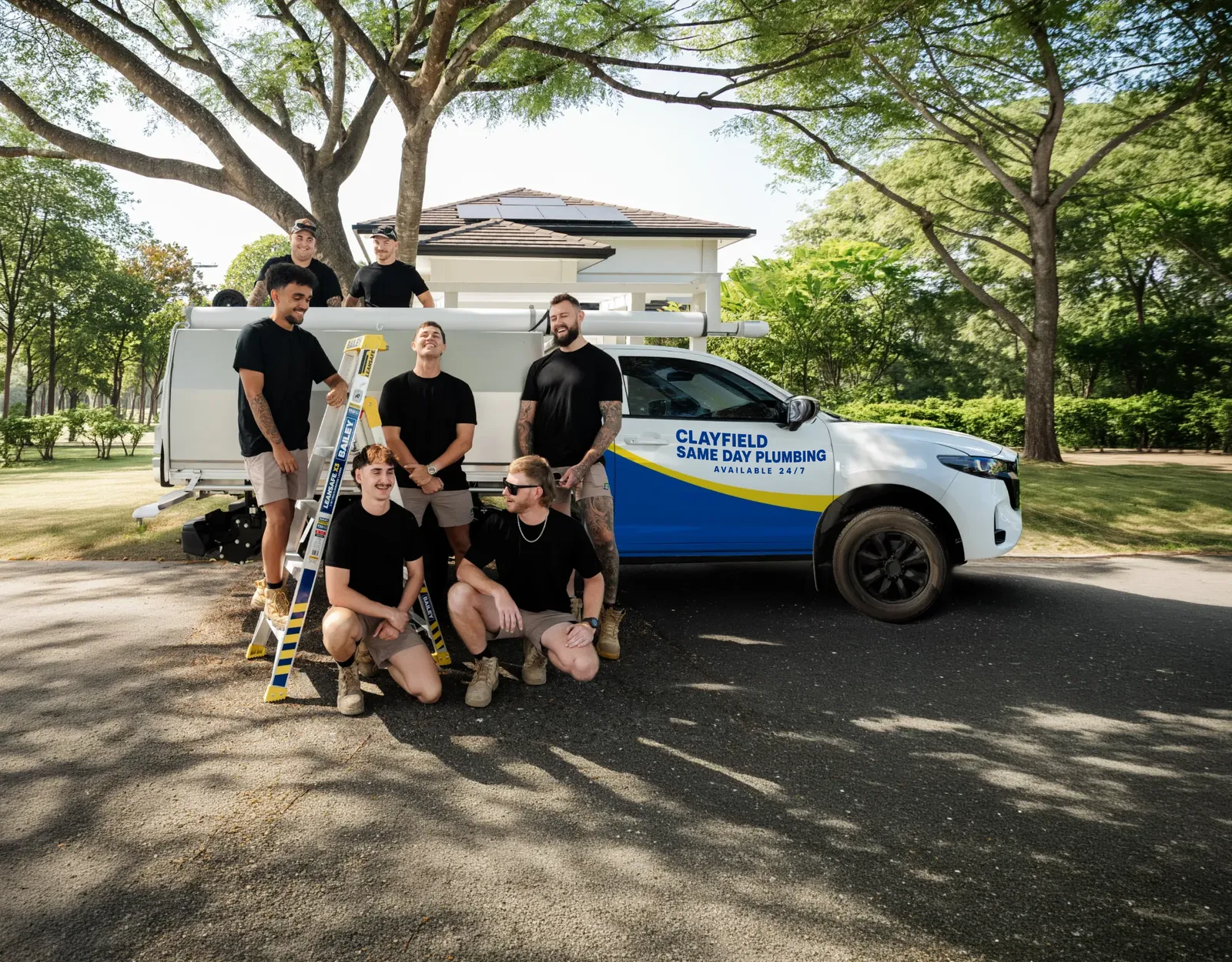
Clayfield mixes 1960s walk-up blocks with 2000s townhouses, so cisterns here range from fittings that have cycled for decades to ones wearing out their first washer. Either way, the wasted water lands on a bill. The full list of tap and toilet work behind Clayfield plumbing is on our home page, and a licensed plumber handles every part of it.
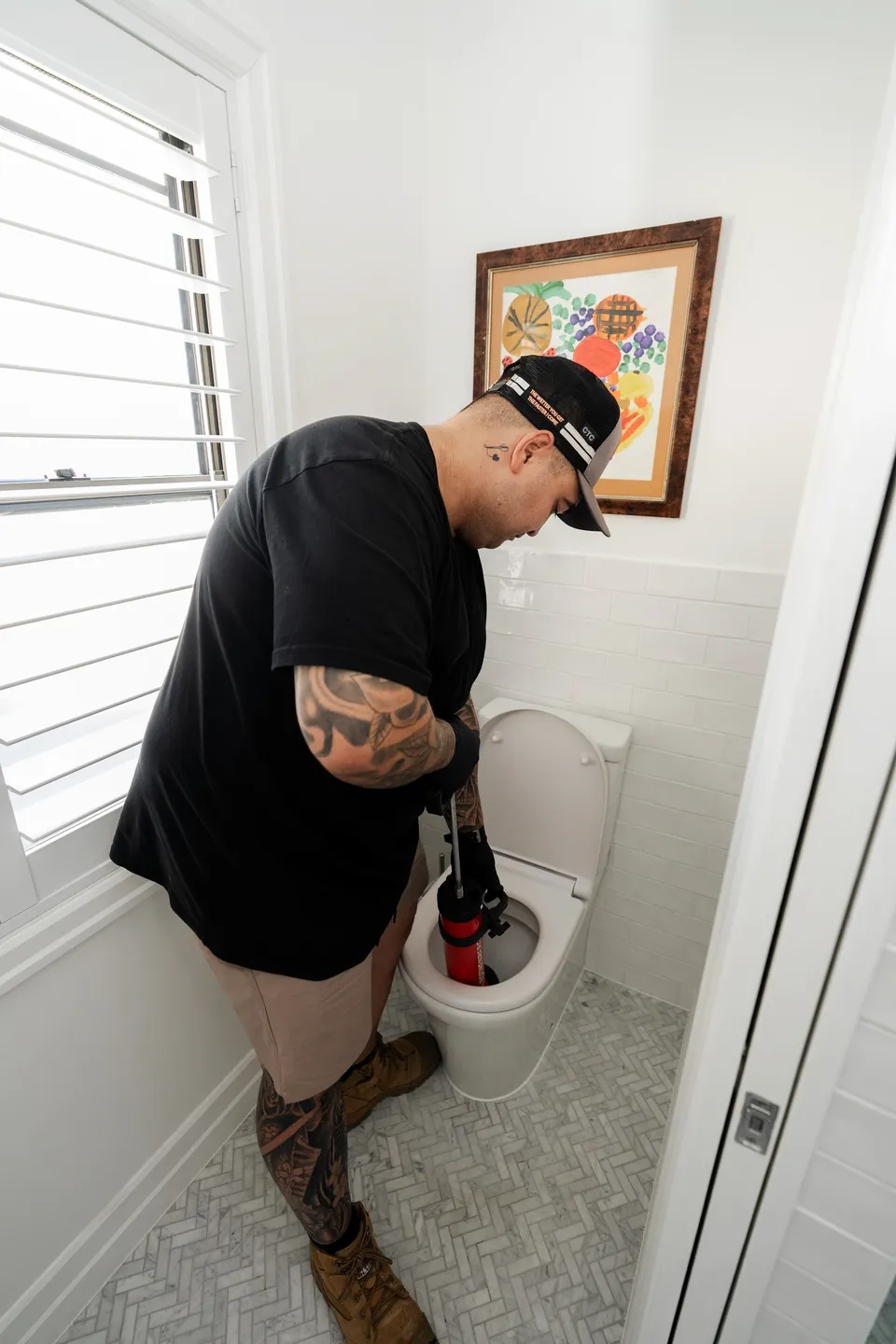
The Three Causes of a Running Toilet
Three faults cover almost every running toilet: a fill valve that cannot shut off, a flush valve with a worn seal, and a water level high enough to spill into the overflow.
The inlet valve
refills the cistern after each flush and should stop once the float hits its mark. A valve worn or jammed with grit never quite stops, and the giveaway is a hiss or trickle that carries on after the refill has finished.
The flush valve
holds the water between flushes. When its seal wears, water slips past into the bowl, so the fill valve keeps topping the cistern up and the loo runs without anyone touching the button.
The overflow
is the safety outlet that spares your floor. If the level sits past its mark, water pours out through the overflow instead, sometimes showing up as a dripping pipe on an outside wall.
Each fault leaves its own signature, which is good news: you can usually name the culprit before anyone opens the lid.
Water Runs but the Cistern Stays Low
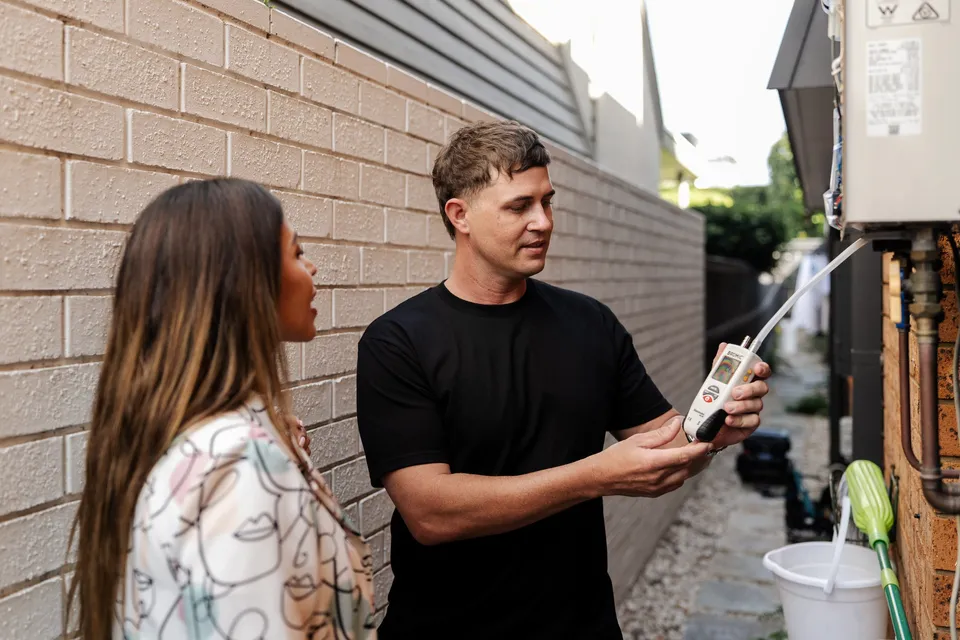
A cistern that stays empty usually points to a fill valve worn or choked, a float arm sitting below its mark, or a stop tap only part way open. Work through those three in order of ease before assuming the worst.
There is a second pattern worth knowing. Water running hard while the level stays low means a leaking flush valve is draining the cistern as fast as it fills, and the cistern can never win that race.
We see it often in the older unit blocks off Bellevue Terrace, where cisterns fitted decades ago have been through more washers than anyone counted. The sound is the tell: a strong, steady run with a low water line is the outlet side, not the supply.
The QBCC List of Unregulated Cistern Work
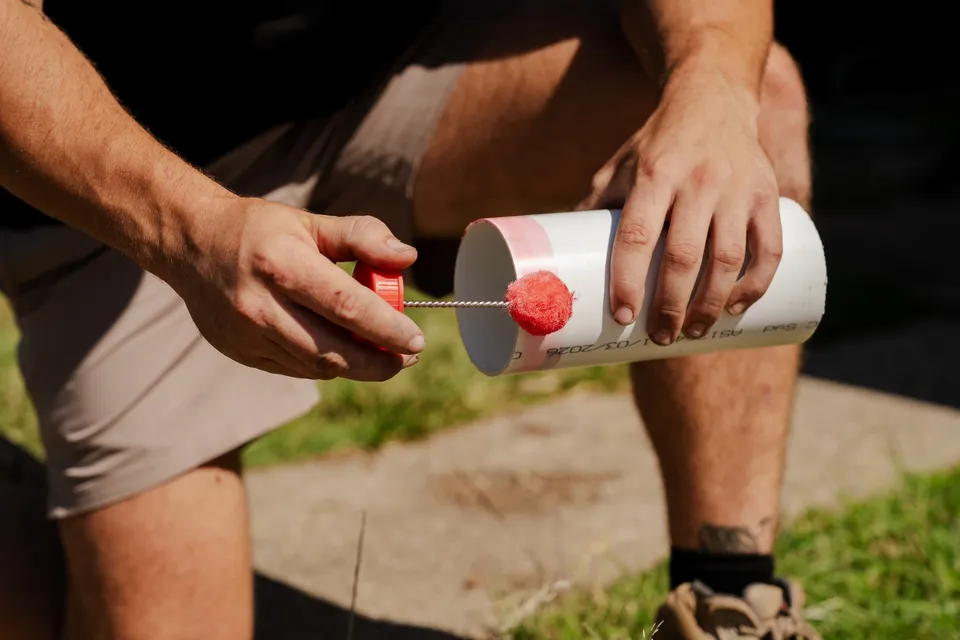
Queensland's QBCC sets the line on DIY cistern work, and the line is narrow. The regulator names three parts as unregulated: the washer inside the drop valve, the washer inside the float valve, plus the suction cup rubber.
Anyone with the knowledge and skill for the job may swap those three, with no licence and no paperwork required, though the finished work still has to meet the standards. We give no repair steps here, because done badly, even a washer swap leaks.
Everything beyond those parts is minor work under the QBCC's rules, so a licensed plumber has to carry it out. No permit and no Form 4 apply, but the licence does.
Renters have their own track. Queensland tenancy law puts the owner or their manager in charge of repairs, and the tenant reports a fault the moment they spot it.
A running cistern is not on the state's emergency repairs list, so it counts as routine and should be fixed in a reasonable time. A blocked or broken toilet is on that list instead.
Check for a Silent Leak With Food Colouring
Food colouring settles whether the leak is real: several drops in the cistern water will travel into the bowl if water is escaping, and stay put if it is not.
- Drip some colouring into the cistern water.
- Leave the toilet completely alone while you wait, because any flush resets the test.
- Colour showing up in the bowl tells you water is escaping past the flush valve, which points at its seal.
- Once you have the answer, flush the colour away; the dye washes straight off a ceramic pan.
A bowl still clear of colour means the flush valve is doing its job, and the fill valve and the water level become the next suspects.
No colouring in the house? Tuck a dry sheet of toilet paper against the rear wall of the pan, well above the water. It should stay dry; a wet sheet means water is trickling down behind the bowl, so the cistern is leaking.

Does the Water Utility Cover a Running Toilet
No, the utility's concealed leak adjustment leaves a leaking cistern out, along with leaking taps, hot water systems and other water appliances. The owner of the property fronts the responsibility for leaks on their side, and the cost of the wasted water sits with them.
That makes a running cistern worth fixing the week it appears, not the quarter after the bill lands. The dye test costs nothing, so there is no reason to wait and wonder.

When to Hand It to a Plumber
Call while the problem is still a washer. Any fault past the QBCC's three parts needs a licensed trade, and every job is done by a licensed plumber on our team.
Our toilet repair service covers inlet and outlet valves, seals, flush buttons and the pan side of the suite. We find the fault, quote a fixed price and finish the job in one visit where the parts allow.
Questions About a Running Cistern
Call (07) 3524 7163Why won't my toilet cistern fill up?
Usually the fill valve is worn or choked with grit, the float arm sits below its mark, or the stop tap is only part way open. If water runs hard yet the level never rises, a leaking flush valve is draining the cistern as fast as it fills, and that needs a licensed plumber.
Can I fix a running toilet myself in Clayfield?
Yes, but only three cistern parts. The QBCC treats the drop valve washer, the float valve washer and the suction cup rubber as unregulated work anyone competent may do, though the finished job still has to meet the standards. Anything beyond those parts is minor work that a licensed plumber carries out.
Will Urban Utilities cover a running toilet in Clayfield?
No, the utility's concealed leak adjustment leaves a leaking cistern out, along with taps, hot water systems and other water appliances. The property's owner fronts the responsibility for leaks on their side, and the cost of the wasted water sits with them.
Who fixes a running toilet in a Clayfield rental?
Queensland tenancy law puts the owner or their manager in charge of repairs, and the tenant reports a fault the moment they spot it. A running cistern is not on the state's emergency list, so it counts as routine and should be fixed in a reasonable time. A blocked or broken toilet is on that list instead.

Ring Us About Your Running LooWe'll call you back.
Phone (07) 3524 7163 for a licensed plumber in Clayfield. We work under QBCC No: 15024607, with flat-rate pricing, no hidden fees and same-day where we can.
To claim your $0 call-out fee, call (07) 3524 7163 today.