Repiping Old Pipes in Clayfield
Repiping in Clayfield replaces a whole run of tired supply pipe with new line, either across the entire house or in stages. Our plumbers handle the job end to end: the inspection, the plan, the new run and the switchover, then the paperwork. You get a fixed quote before any work starts, every job is done by a licensed plumber, and the price stays flat-rate with no hidden fees.
If we're late, $100 comes off your bill

- Licensed and InsuredEvery job done by a licensed plumber. QBCC No: 15024607
- Fixed Quote FirstFlat-rate pricing, agreed before any work starts
- Lifetime Labour WarrantyBacked by our Fix-It-or-It's-Free guarantee (T&Cs apply)
- $0 Call-Out FeesNo extra charge for nights, weekends or public holidays
For single leaks and one-off splits, our water pipe repairs page covers the smaller jobs.
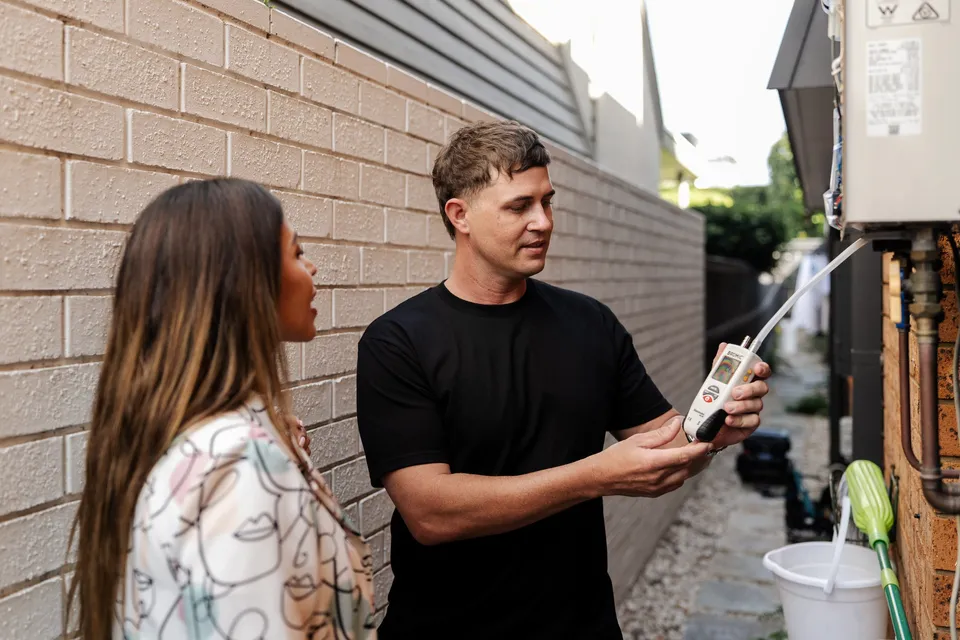
Galvanised and Early Copper Pipes in Older Homes
A sound line with one leak gets a repair; a line that keeps breaking out in new spots has reached the end of its life. Two old pipe types sit behind most of those calls: galvanised steel, and early copper joints made with lead-based solder.
Watch for these signs before you decide:
Repeated leaks
New damp patches along the same run, one joint after another, mean the whole pipe is failing rather than a single fitting.
Discoloured water
Rusty or brown water from the tap comes from corrosion on the pipe's inner face.
Weak flow
Low pressure from tap after tap around the house, not just one, means corrosion or scale is narrowing the pipe inside.
Lead solder joints
Lead-based solder joined copper across Australia until 1989, so any home plumbed before then earns a close look at the age and condition of the lines.
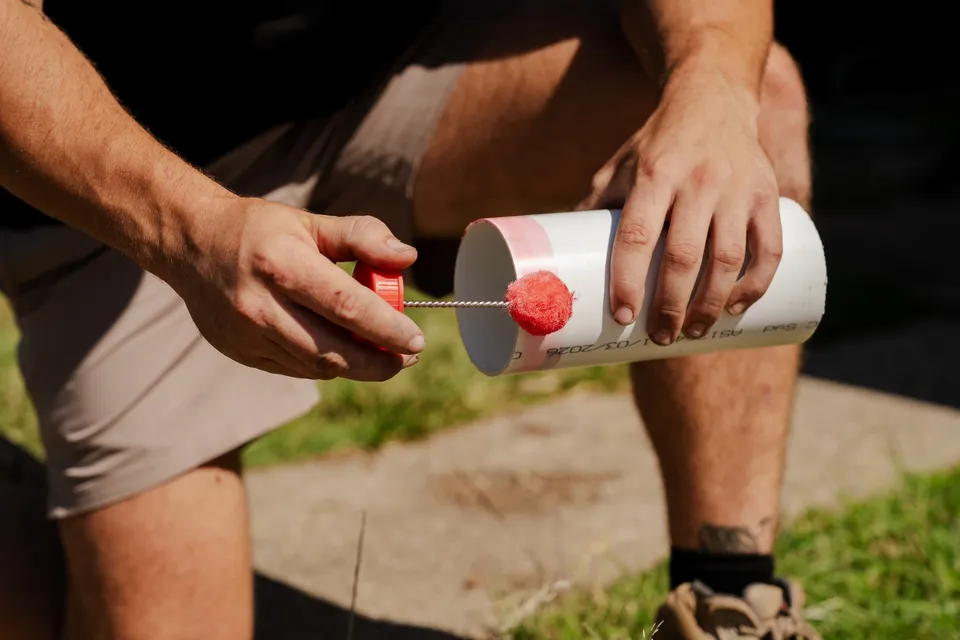
What Replaces Galvanised and Old Copper Pipe
New supply lines run in copper or PEX (cross-linked polyethylene), a plastic pipe that bends through studs and tight cavities. Every product installed has to carry approval for plumbing use under the Act, and the finished work follows the plumbing code.
Where each material fits:
Copper
suits straight runs and standard fixture connections, joined with fittings a plumber sets and tests on site.
PEX
handles long runs and corners through framing without a fitting at every bend.
Your plumber picks by the run
wall cavities, under-floor spaces and tight subfloors each suit a different pipe.
The old steel comes out
Zinc-coated pipe retires for good on a repipe, taken off the drinking supply entirely.
What to Expect While Pipes Are Replaced
- 1

Inspect the Existing Lines
The plumber checks every stretch first and marks what gets replaced and what stays. The meter position, the wall runs and the subfloor access all shape the plan.
- 2

Set the Scope
A full house goes in one campaign, or the work gets staged room by room as budget allows. Bathrooms and laundries often lead, because they carry the most joints.
- 3
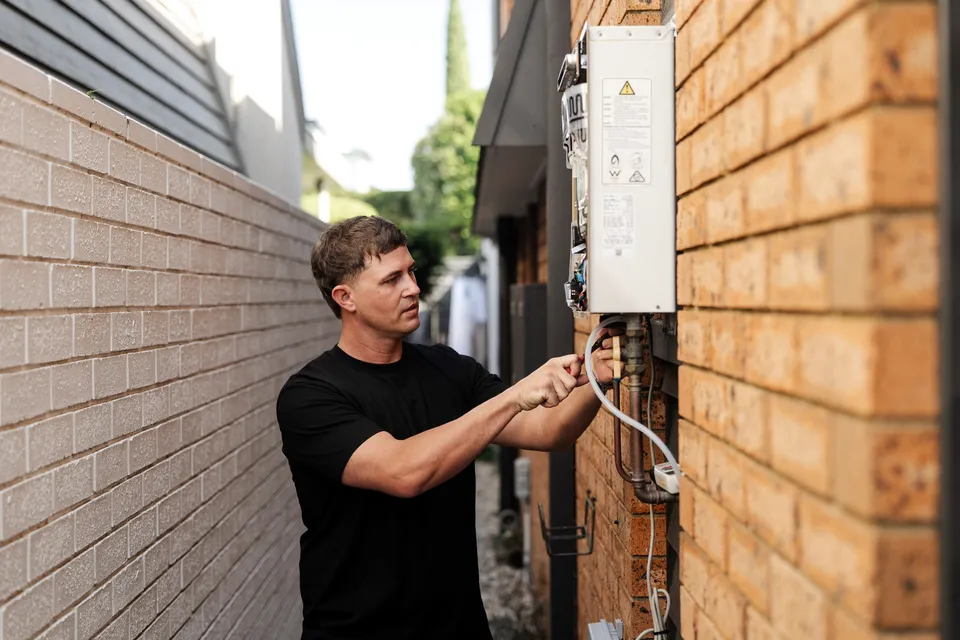
Run the Fresh Line
Access gets opened where the pipe hides, then the new pipe goes in while the old line still supplies the taps. Nothing gets disconnected until the fresh run is ready.
- 4

Connect and Test
The supply shuts down for the connection, the old line comes out or gets capped, and the plumber runs a leak test before the site gets tidied.
Plumbing job in Clayfield?
$0 call-out fees, available 24/7, and same-day where we can.
Paperwork After a Repipe in Queensland
Repiping a house that already stands counts as notifiable work under Queensland rules: a licensed plumber carries it out, lodges a Form 4 with the QBCC inside 10 business days, and gives you a copy. No council permit applies, and no mandatory inspection comes with it.
What you hold as the owner:
Your Form 4 copy
The QBCC registers the job against the address. If none arrives, ask the QBCC for a copy at any stage.
A possible council check
Inside twelve months of that notice landing with the QBCC, council can arrange to view the work, with your consent as occupier, to confirm it meets the code.
Lighter rules for repairs
Fixing one broken pipe is minor work, so a licensed plumber still does it, with no Form 4 and no permit. Our burst pipe repairs page covers that side.
Different rules elsewhere
Plumbing for a house still being built counts as permit work, and units can get complex, so raise your situation with your plumber first.
Old Supply Lines Under Clayfield
Housing climbed this ridge early, and the original service lines were galvanised steel. Urban Utilities' public mains beneath the suburb still run mostly cast iron, from the era when zinc-coated steel was the standard pipe from the street to the house.
Renovated Federation and interwar homes around Bellevue Terrace and Norman Parade often keep a corroded stretch of the original run inside the walls. That hidden stretch shapes the staging: one room at a time when the pipe sits in finished walls, the full house when access opens easily.
Little gets bulldozed here, either. Area-level approvals added about 145 dwellings over the five years to 2021-22, so the older stock carries on and its pipe ages with it. If a damp patch keeps returning along one wall, a leak detection visit can prove whether the old line is still holding.
How Your Repipe Visit Runs
- 1
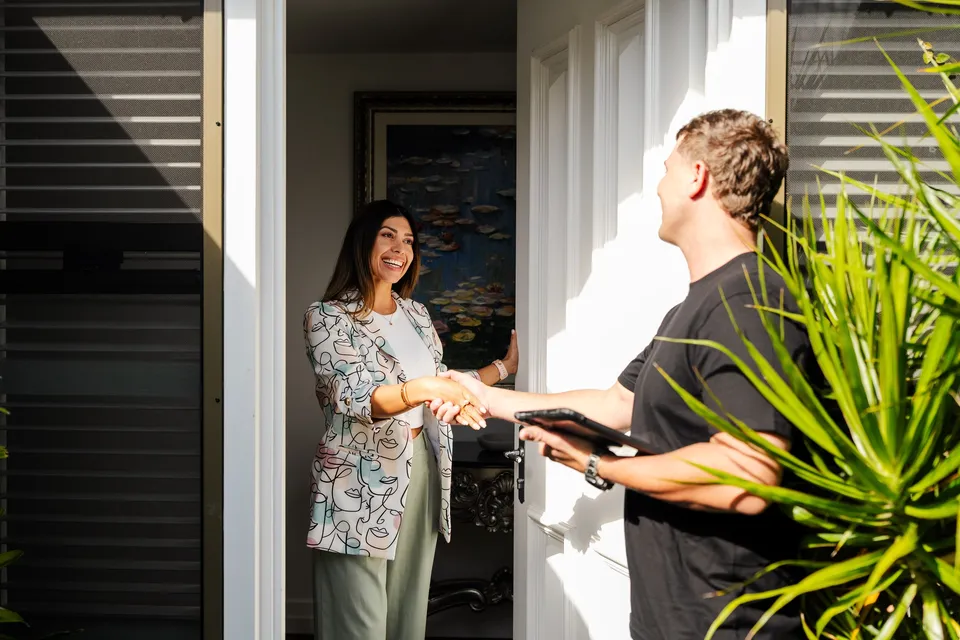
Tell us what's happening
Call (07) 3524 7163 or send the form with a few details about the problem in Clayfield. A clear description helps us bring the right parts.
- 2
We map the run on site
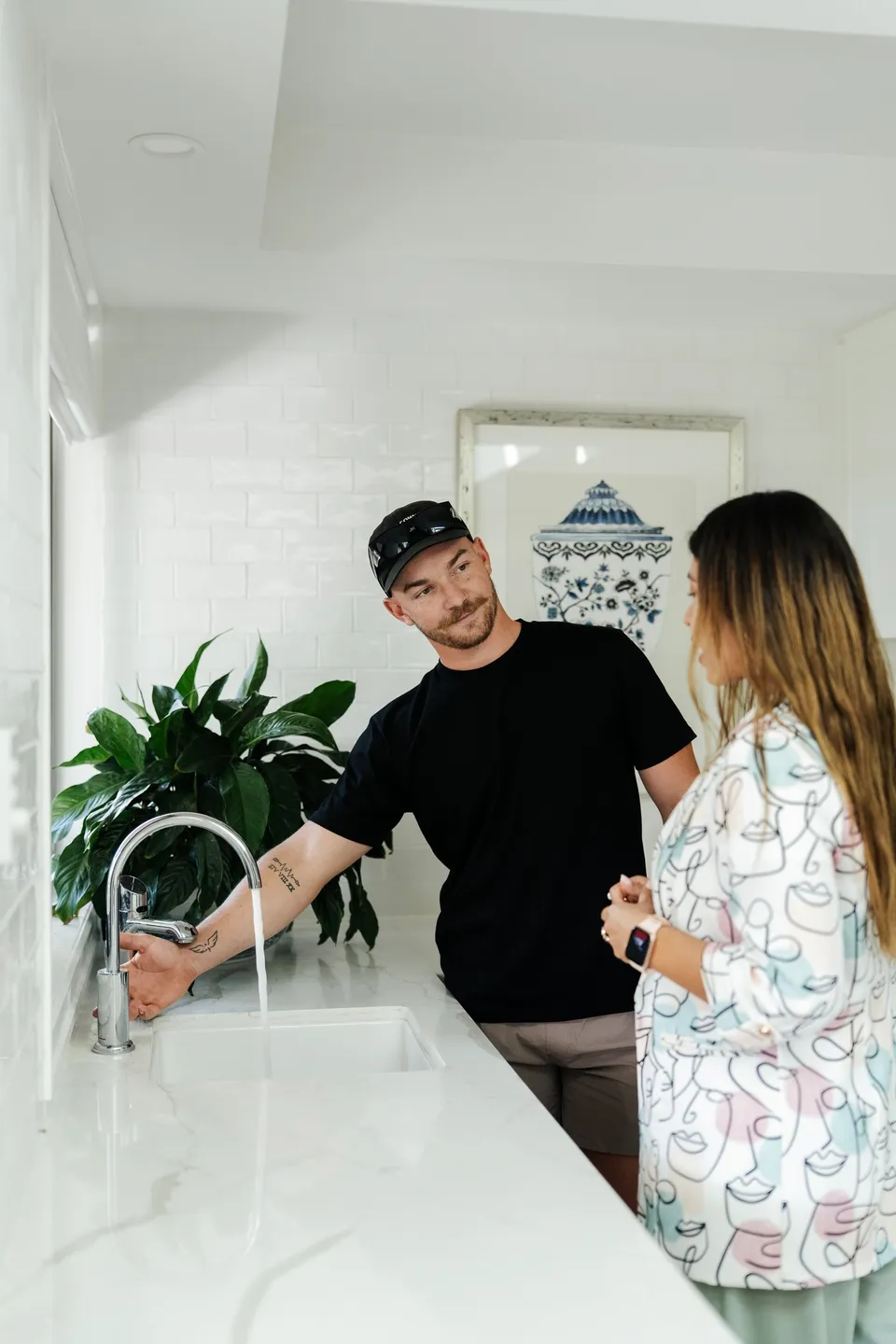
We trace the existing lines, open access where they hide through wall cavities, under floors and into the subfloor, and agree the staging with you before anything gets cut.
- 3
Approve a fixed price
You get a fixed quote before any work starts, with flat-rate pricing and no hidden fees. Nothing goes ahead until you say yes.
- 4
Pay when it's finished
Pay by card or EFTPOS on site once the job's done, or ask about Fix now, pay later.
Repiping Questions From Clayfield
Call (07) 3524 7163What does repiping a Clayfield house involve?
A plumber inspects the lines, settles the scope, runs the fresh pipe next to the old, connects it with the supply shut off, then leak tests the new run. Access gets opened wherever the pipe hides, through wall cavities, under floors or into the subfloor.
Can I replace my own water pipes in Queensland?
No, you cannot. Replacing the supply lines in a standing house counts as notifiable work, and fixing one broken pipe counts as minor work, so a licensed plumber carries out both. The QBCC exempts only small replaceable parts, and pipework never makes that list.
What pipe replaces old galvanised water pipes?
Copper and flexible cross-linked polyethylene pipe are the two standard choices, and your plumber matches each run to where it goes. Everything fitted needs to be a product the Act approves as plumbing. Galvanised steel no longer gets run for drinking supply.
What affects the cost of repiping a house in Clayfield?
The biggest drivers are the metres of new line, how many fixtures need reconnection, and how hard the pipe is to reach inside the walls and floors. The flat-rate price is set in the fixed quote once we have seen the run.
Will I still have water while the house is repiped?
Yes, through most of the job, because the fresh line goes in while the old one still supplies the taps. The water shuts off only for the connection itself, and no set duration applies.

Call Us About a Full RepipeWe'll call you back.
Phone (07) 3524 7163 for a licensed plumber in Clayfield. We work under QBCC No: 15024607, with flat-rate pricing, no hidden fees and same-day where we can.
To claim your $0 call-out fee, call (07) 3524 7163 today.